
 +965 2292 4888


Daily Economic Update
07.04.2026
Oil: Prices extend yesterday's gains with Trump's deadline in focus. Brent futures were hovering near $111.5/bbl (+1.5% d/d) this morning in Asian trading, extending yesterday’s gain (+0.7%), with both the US and Iran showing no signs of compromise and President Trump ramping up his threats to decimate Iran’s energy facilities ahead of his 8PM Eastern Time deadline. Both sides have reportedly rejected a Pakistan-mediated ceasefire proposal, which included an immediate truce and the reopening of the Strait of Hormuz, followed by 15–20 days of negotiations. Meanwhile, limited availability of select Middle Eastern crudes has led Saudi Aramco to raise the official selling price of its flagship Arab Light crude for May loading to Asia to a record premium of $19.5/bbl over the Dubai/Oman benchmark.
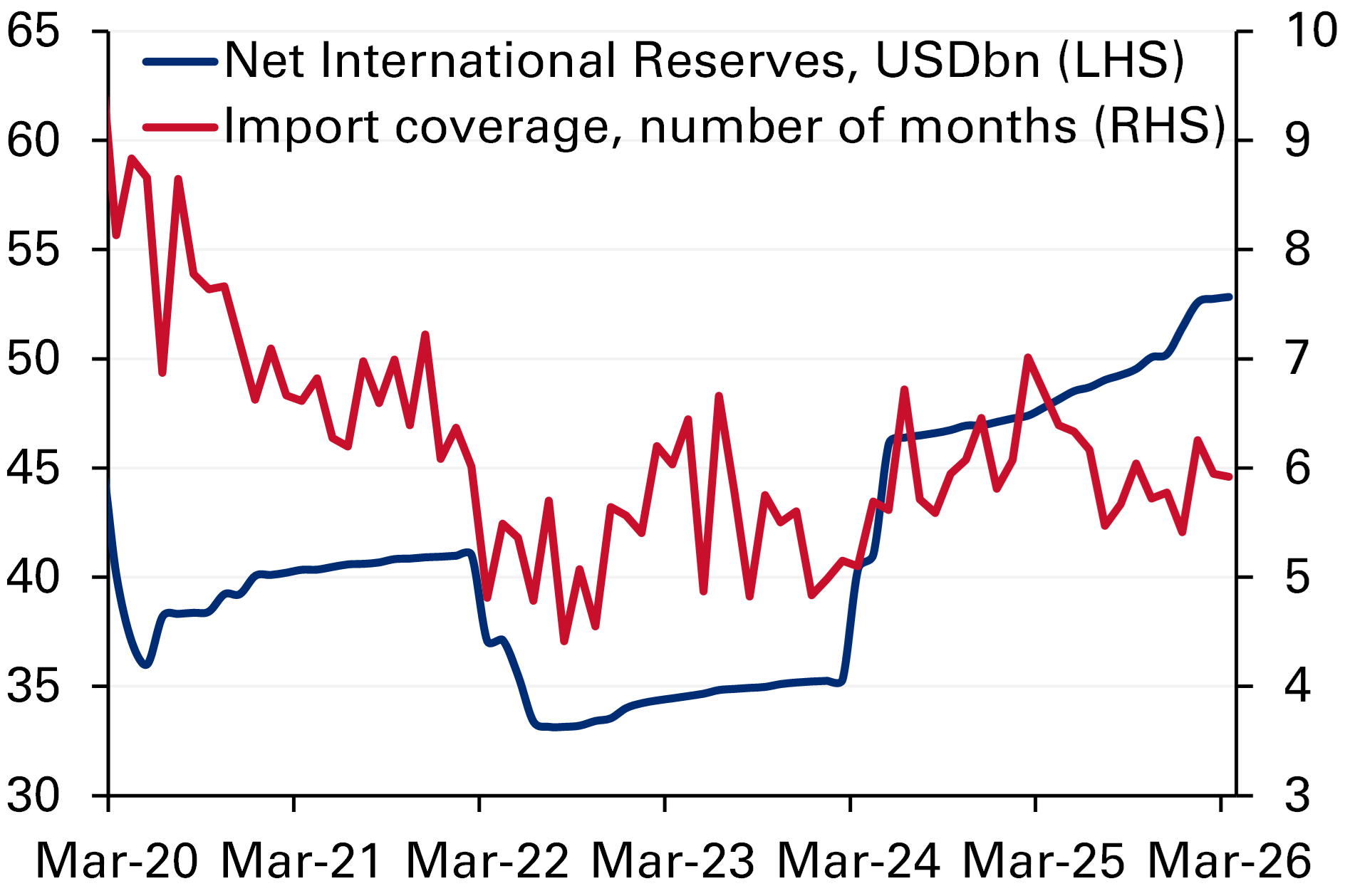
Egypt: Foreign reserves edge higher in March as asset mix shifts amid volatility. Egypt's net international reserves recorded a modest increase in March, rising by $85 million to $52.83 billion, compared to $52.75 billion in February, according to the Central Bank of Egypt. The relatively slow pace of accumulation reflects a notable shift in the composition of reserves rather than a deterioration in the overall position. The value of gold reserves declined by 10.8% m/m to $19.2 billion, down from $21.5 billion in February, largely tracking a 15% monthly drop in global gold prices during last month. In contrast, foreign currency holdings rebounded, increasing to $33.1 billion in March from $30.7 billion in February, following two consecutive months of decline. Overall, the data suggests that while headline reserve growth remained limited, Egypt continues to maintain a stable external buffer that still covers around 6 months of imports, with fluctuations primarily driven by valuation effects rather than underlying FX stress, despite ongoing regional turbulence.
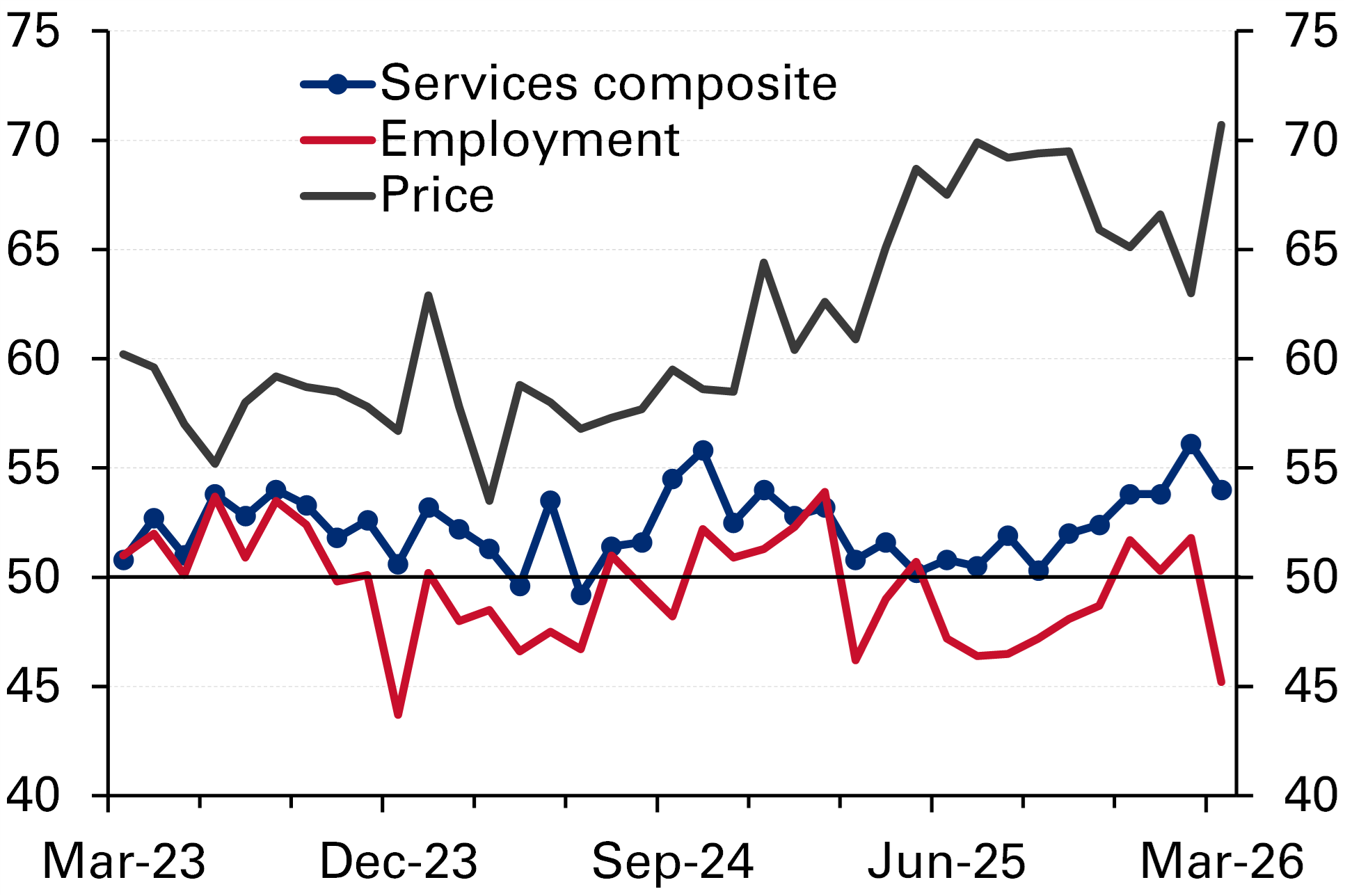
US: ISM Services PMI eased in March with price pressures intensifying and employment shrinking. The ISM Services PMI eased to 54 in March from February’s 43-month high of 56.1, undershooting the consensus forecast of 55. Growth in new orders accelerated to an over three-year high at 60.6 from 58.6 in February but other details were grim. The input price gauge rose to hit the highest level since October 2022 at 70.7 from February’s 63, mimicking the jump seen earlier in the equivalent manufacturing measure and underscoring intensification of broad-based price pressures as a fallout from the Middle East war and resulting spiking energy prices. Firms were concerned about the war’s impact on their input costs and disruptions to shipping and supply chains. Employment shrank for the first time in four months to 45.2, with the pace of decline not seen since December 2023. Overall, the latest weak services PMI readings highlight challenges facing the US economy over the coming months as firms and households will have to cope with rising prices for as long as the war is ongoing.
Japan: Household spending falls for the third straight month as demand remains weak. The fall in Japan’s real household spending deepened to 1.8% y/y in February following a drop of 1% in January, worse than the consensus forecast of a 0.7% decline. On a monthly basis, spending increased by 1.5%, rebounding from a fall of 2.5% in January. Household demand continues to be weak amid rising prices despite the government’s efforts to shield consumers from higher utility costs. The weakening yen has also lifted the prices of imported goods. With the Middle East war raising energy and gasoline prices further, the government has rolled out new measures to soften the blow. Moreover, the first rise in real wages in over a year in January and indications of sustained large increases in nominal wages in this year’s pay negotiations should help offset somewhat the current weakness in household consumption going forward.