 +965 2292 4888


International Scene
08.06.2026
The Middle East conflict has dragged on beyond initial expectations, with the blockage of the Strait of Hormuz raising inflation and pressuring economic growth globally. Pressures on supply chains have increased to the highest level since the post-pandemic surge and global food prices climbed to the highest in more than three years. Latest global PMI surveys indicate significant price pressures are in the pipeline as government bond yields are up sharply since the onset of the military conflict at the end of February, driven not only by the worsening inflation outlook, but also by fiscal pressures. And while the drawdown of global oil inventories has softened the oil price spike, these inventories are reaching critical levels. This risks a much higher increase in oil prices if the Strait of Hormuz remains blocked. Obviously, this supply-side energy price shock has greatly complicated monetary policy for all central banks. The monetary easing bias that had generally prevailed pre-war has turned into a hiking bias. New Fed Chair Warsh, who came with a mandate to cut rates, is in a very difficult situation, the ECB/BoJ are set to hike rates soon and the BoE in the second half of the year.
US: Worsening inflation and improving labor market complicating new Fed Chair Warsh’s easing plans
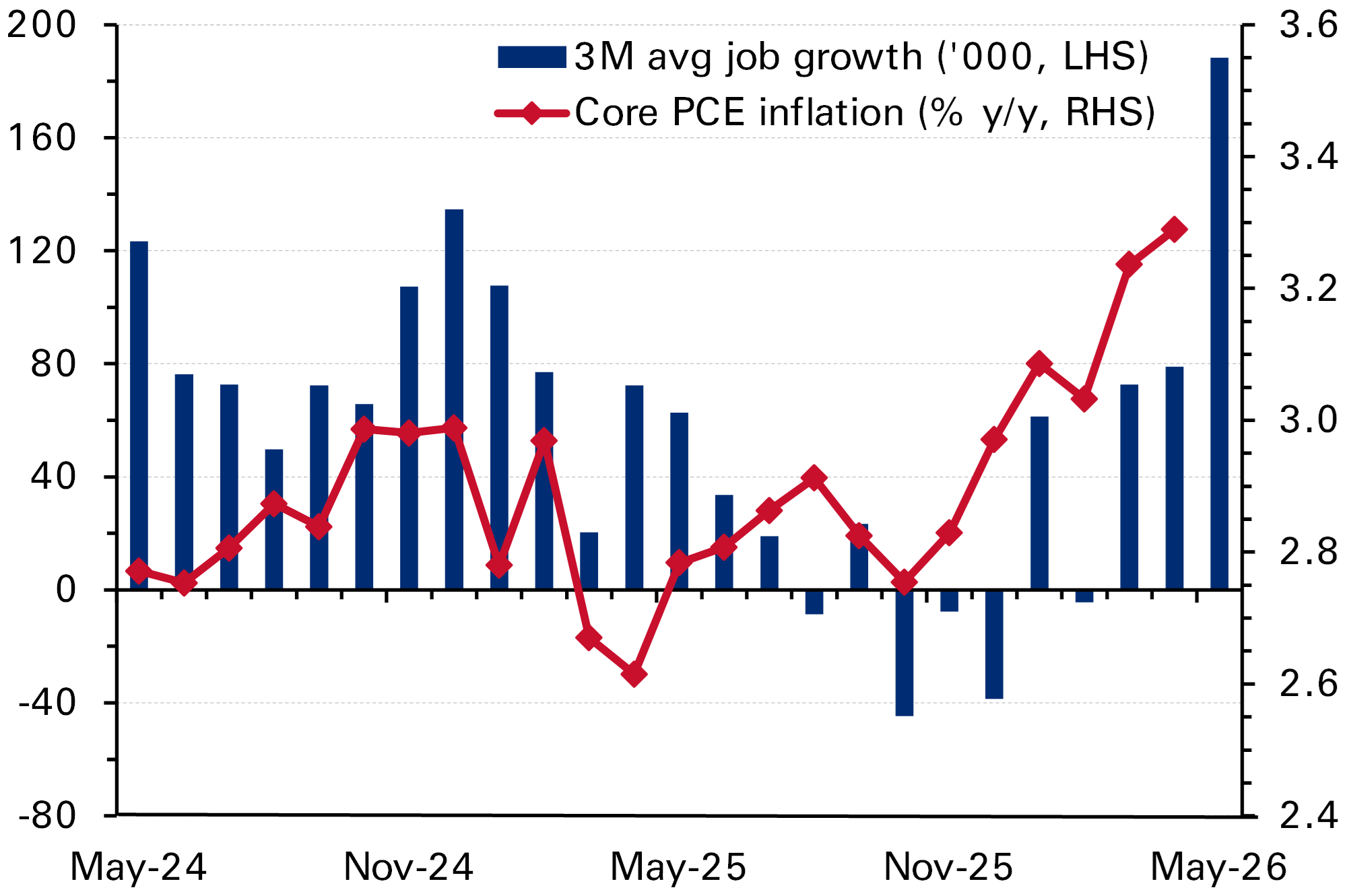
The US economy remains resilient, absorbing shocks from last year’s tariff drama and the current energy price spike, supported by robust household spending and an ongoing AI-related investment boom. Moreover, the job market has been improving with average job growth of 114K per month YTD through May versus a monthly average of only 10K in 2025, along with an unemployment rate (4.3%) that is close to “full employment”. Despite the weaker-than-expected Q1 GDP growth of 1.6% (annualized), underlying growth was more robust as the key measure of “final sales to private domestic purchasers” rose by 2.4%. The strong momentum is ongoing with retail sales up 0.5% m/m in April and other high-frequency measures pointing to solid growth in May, supported by larger-than-usual tax refunds and a powerful wealth effect given record-high stock markets that is being driven by very strong corporate earnings. Consensus estimates largely indicate solid growth in Q2 with, for example, the Atlanta Fed GDPNow model at +3.0%.
Meanwhile, inflation, which was still problematic even before the current energy shock, surged. Core PCE inflation (3.3% y/y in April) jumped to the highest level since late 2023 (a level not seen since 1992 outside the post-pandemic 2021-2023 surge), with the headline rate also hitting a three-year high (3.8%). Inflation looks set to stay well above the Fed’s 2% target in 2026, and for the sixth consecutive year. This backdrop of worsening inflation and improving labor market will make the job of new Fed Chair Warsh challenging, precisely because he is coming with a pre-set mandate to cut interest rates. This is not the view shared by most FOMC members. Keeping or removing the easing bias from the policy statement at the upcoming June FOMC meeting may be the first real test for Warsh at the Fed. The futures market currently indicates around 75% probability for a 25bps interest rate hike by end-2026.
Eurozone: Accelerating inflation as the ECB set to hike rates this week for the first time since 2023
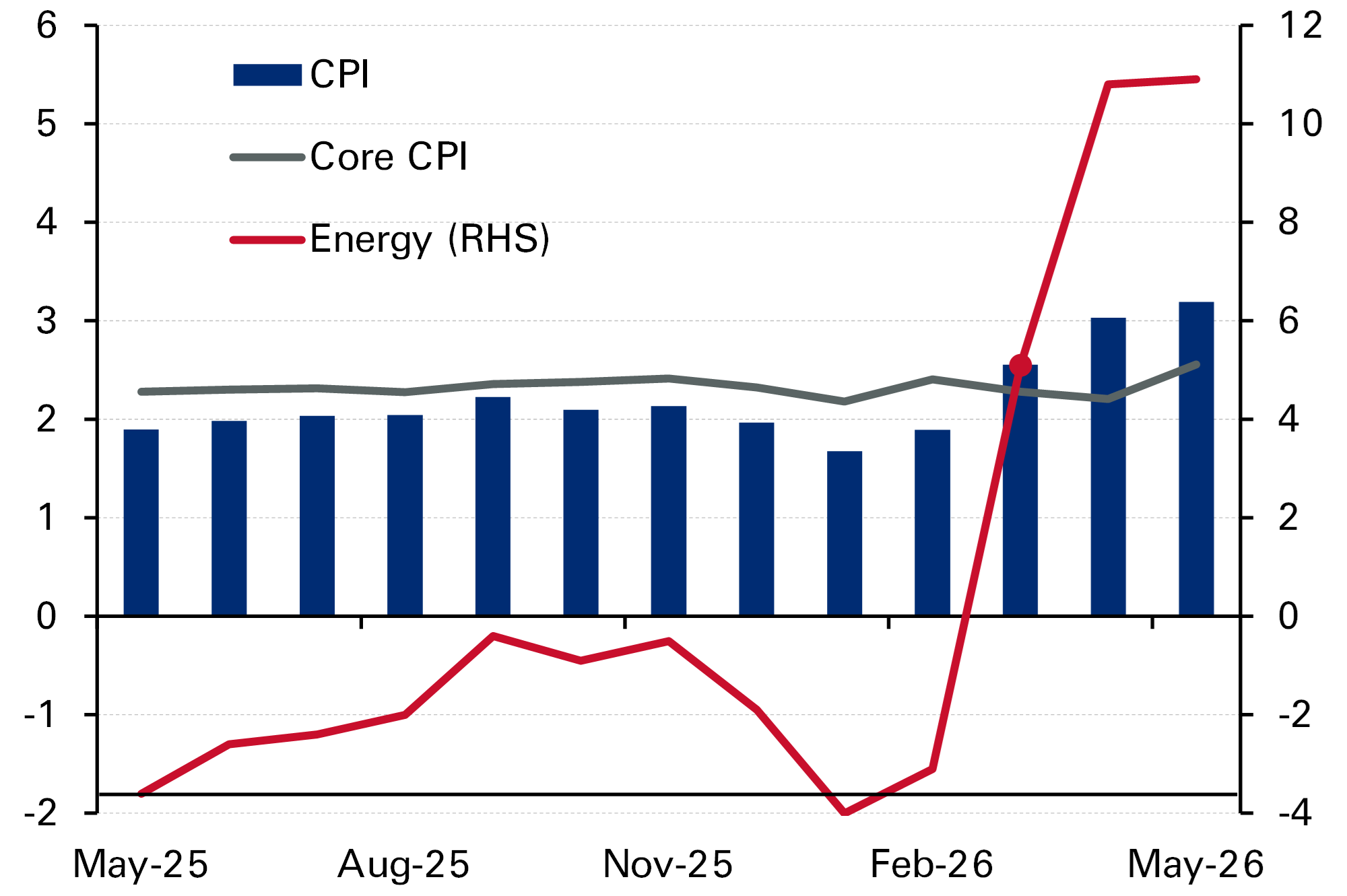
The Eurozone’s economic outlook is being shaped by the rising energy-driven inflation and the policy response. GDP fell by 0.2% q/q but driven by a sharp contraction (12%) in Ireland’s volatile GDP, with growth excluding Ireland slightly positive following +0.2% in Q4. The key shift has been on inflation, with headline CPI accelerating to 3.2% y/y in May (from just 1.9% in February), largely reflecting higher energy costs. Looking ahead, while the trajectory of inflation will continue to depend heavily on energy markets, it is likely that the ECB will further increase its base-line inflation projection from the current peak forecast of 3.2% y/y in Q2 given the ongoing disruption in the Strait of Hormuz. Against this backdrop and given the ECB’s sole mandate of maintaining price stability, the bank is near certain to hike rates by 25bps in its upcoming meeting later this week, while maintaining a flexible stance in future meetings depending on the inflation outlook. Overall, the Eurozone faces a challenging near-term mix of subdued growth, resurgent inflation, and tightening financial conditions. As for the long-delayed adoption of the US-EU trade deal, this seems finally to be approaching the end-game with ratification expected by the EU before the Trump-imposed deadline of 4 July.
UK: Pre-war momentum crippled as business activity tumbled; BoE seen hiking one or two times in 2026
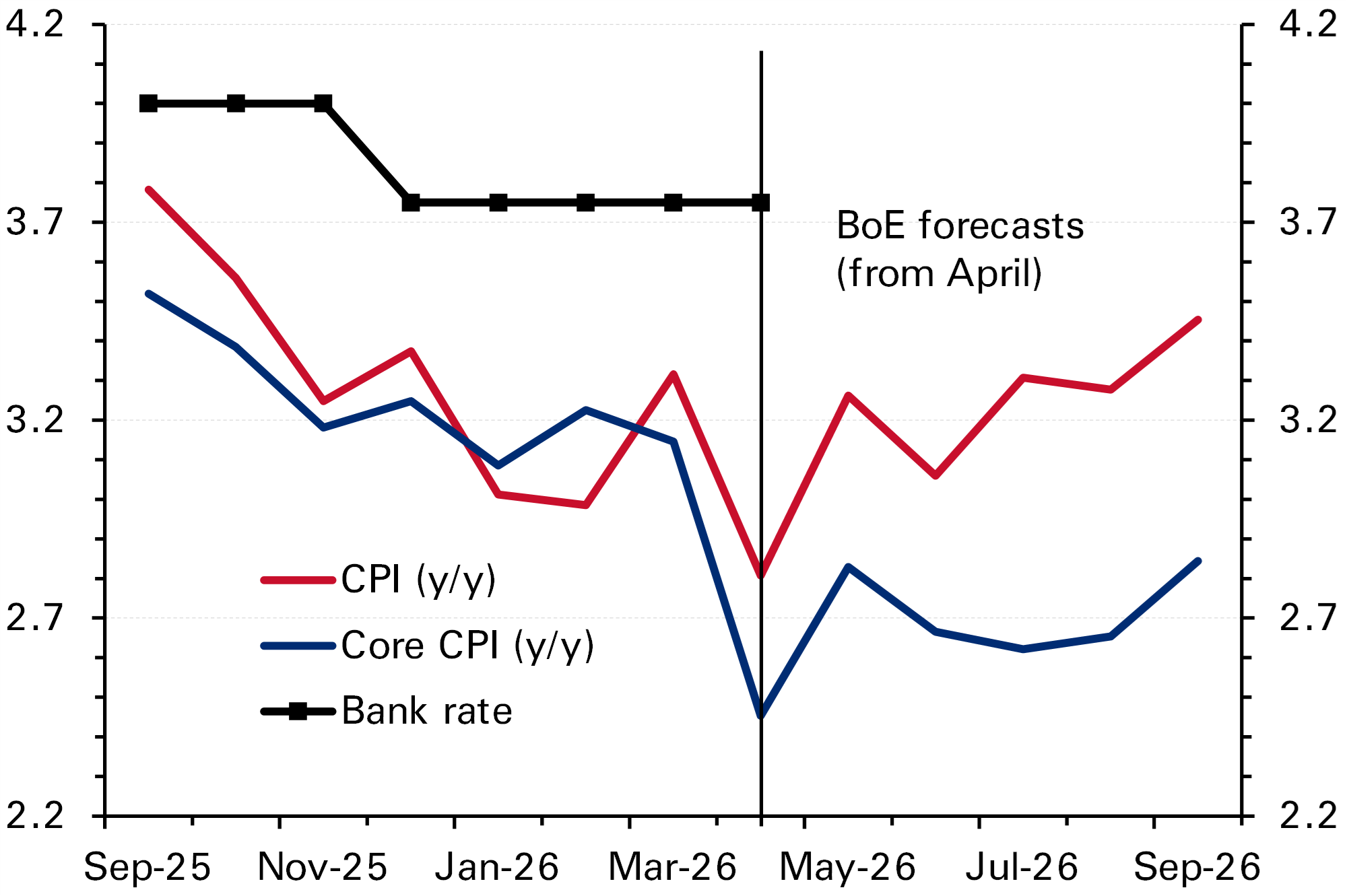
The UK economy grew by 0.6% q/q in Q1, up from 0.2% in Q4. However, that pre-Middle East war momentum is stalling as May’s composite PMI (49.7) was the lowest in 13 months. Furthermore, April’s retail sales (volumes) declined by 1.3% m/m, the sharpest fall since May 2025. The IMF is now projecting relatively muted GDP growth of 1% in 2026, down from 1.4% in 2025. The employment scene remains poor, with a cumulative fall of 144K jobs since February and the unemployment rate staying elevated (5%). With yields on long-duration gilts close to decades-high, any support from fiscal policy remains challenged. Meanwhile, PM Starmer’s premiership has become more unstable after Labor’s poor showing in council elections, weighing on business confidence. Inflationary pressures are rising even though government price freezes and other data distortions helped CPI inflation ease to 2.8% y/y in April from 3.3% in March. Once those effects fade and given the current high energy prices, inflation will likely rebound and the BoE expects inflation to hit 3.5% by September. Given the inflation outlook, current market pricing indicates one to two 25bps BoE rate hikes by end-2026, after rate cuts were expected before the war.
Japan: BoJ rate hike expected in June or July as long-term bond yields touch multi-decade highs
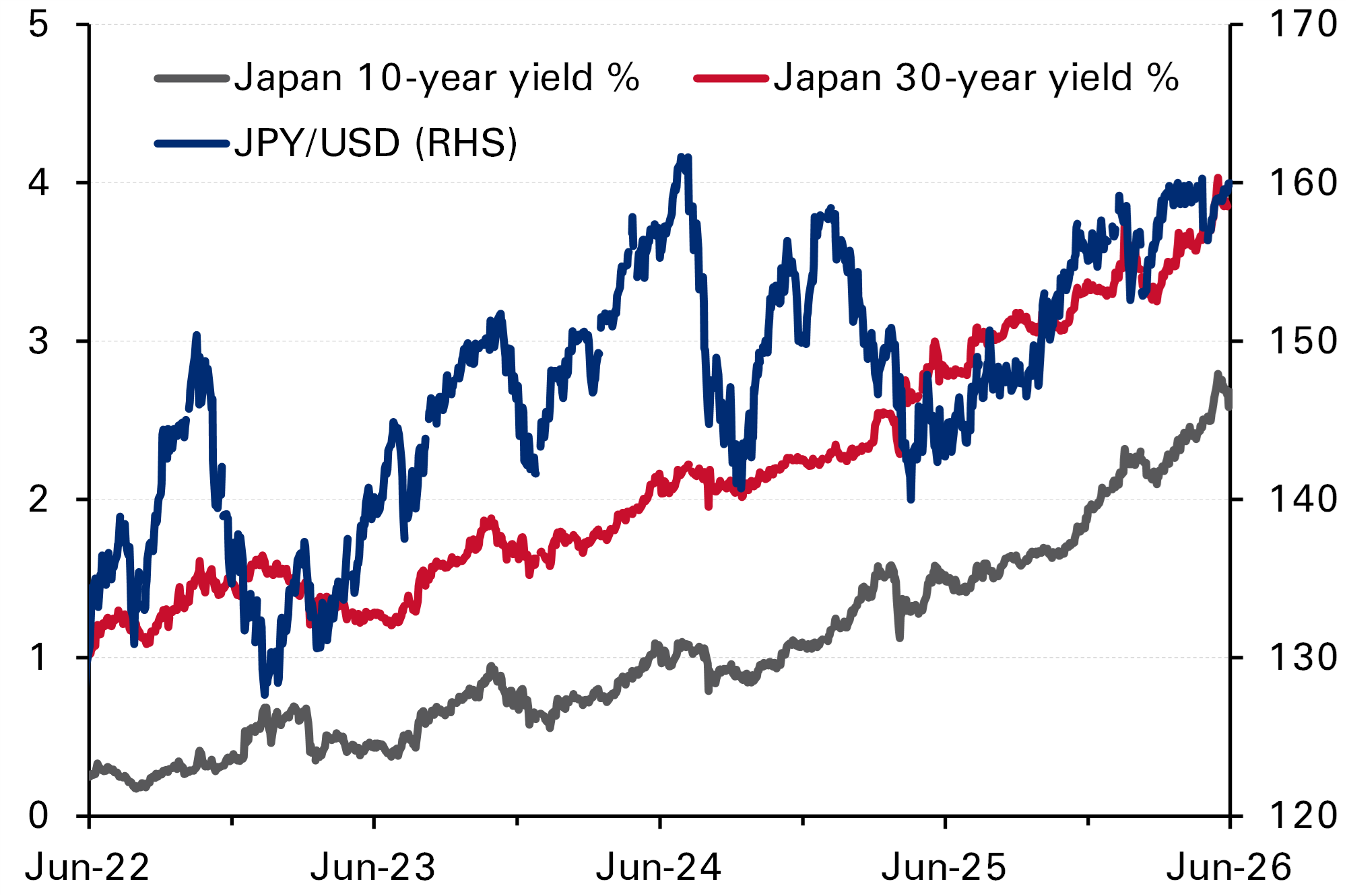
Japan’s economic growth beat expectations in Q1 at 0.5% q/q, helped by solid export growth (+10% y/y). Trade dynamics remained supportive in April with exports rising 15% y/y with also imports growing fast despite a steep fall in shipments from the Middle East, given the situation in the Strait of Hormuz. Japan is heavily reliant on Middle Eastern energy, with around 90% of the country’s oil supply coming from the region. The BoJ, in its April meeting, slashed its FY2026 (ending March 2027) growth forecast to 0.5% y/y (from 1%) and raised its core inflation forecast to 2.8% y/y (from 1.9%). The expected pickup in inflation has raised prospects of a BoJ rate hike, with the market pricing in a 25bp hike in the June or July meeting. And while PPI inflation rose to a three-year high of 4.9% y/y in April (from just 2.1% in February), core CPI remained tame (1.4% in April) helped by government subsidies. The government has unveiled an extra budget of JPY 3.1 trillion ($19.4 billion) to fund household subsidies, putting further pressure on JGBs with long-term yields touching multi-decade highs. The yen, despite the recent interventions by the authorities, remains under pressure against a backdrop of still-low interest rates versus peers and a rising energy import bill, and is more than 2% weaker than a recent peak seen in early May.
China: External demand offsets weak domestic environment as Trump-Xi agree on “strategic stability”
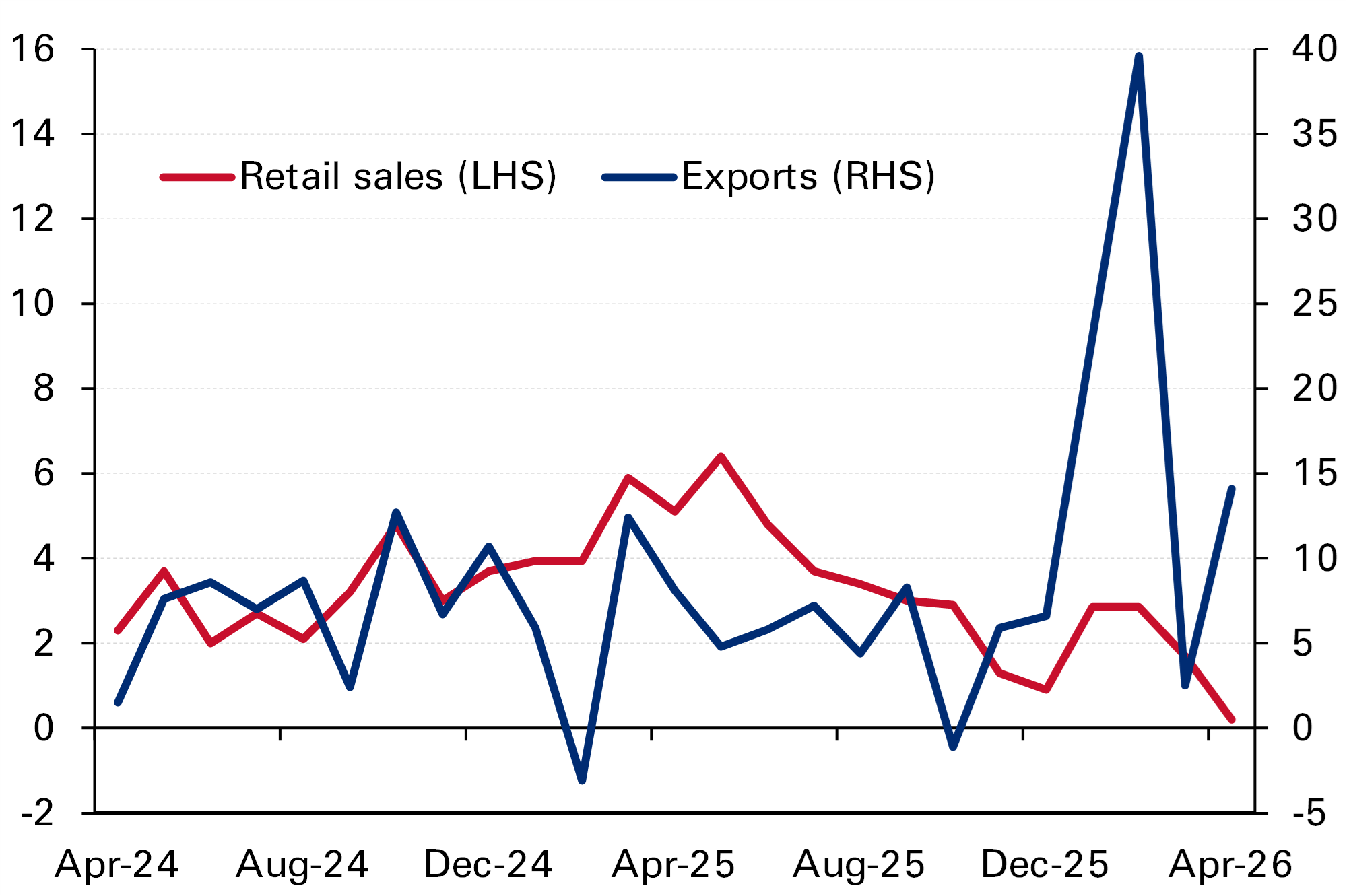
Economic growth in China likely softened recently after a solid Q1 (+5% y/y). Specifically, April’s macroeconomic data came much weaker than expected, with growth in retail sales (+0.2% y/y) and industrial production (+4.1%) the lowest in several years. Fixed asset investment also disappointed, with growth turning negative in April. Moreover, new house prices remained on a downtrend, falling by 3.5% y/y in April, a 34th consecutive month of decline, weighing on sentiment with spillovers on domestic demand. However, exports remain a bright spot, rising 14% y/y in April, following a strong Q1 as well, and reflecting the divergence between solid external demand and the weak domestic one. Meanwhile, monetary policy remains cautious, with the PBoC keeping benchmark lending rates unchanged over the past year. The recent Trump-Xi summit has stabilized near-term trade tensions as the two countries agreed to a constructive “strategic stability” to govern their relationship, though structural frictions remain. Energy market disruptions remain a key risk (PPI inflation jumped to a 45-month high of 2.8% y/y in April), despite ample oil inventories providing a partial buffer. Overall, 2026 GDP growth seems unlikely to deviate much (if at all) from the 4.5-5% official growth target with the hope that external demand will continue to offset the persistent domestic weakness.